Baseball Mom SVG: A Designer’s Embroidery Review
As a professional embroidery designer and product reviewer, I approach every new graphic asset with a critical eye toward its final stitched reality. When evaluating the Baseball Mom, Baseball SVG, my primary focus is not just on the digital aesthetics but on how this vector art translates into a tangible machine embroidery design. For fellow Etsy sellers, apparel decorators, and craft business owners, understanding the bridge between screen and fabric is what separates amateur results from professional, sellable merchandise. This review breaks down the practical application of this design for real-world projects, moving beyond basic file descriptions to discuss stitch integrity, marketability, and production viability.
Visual Personality and First Impressions
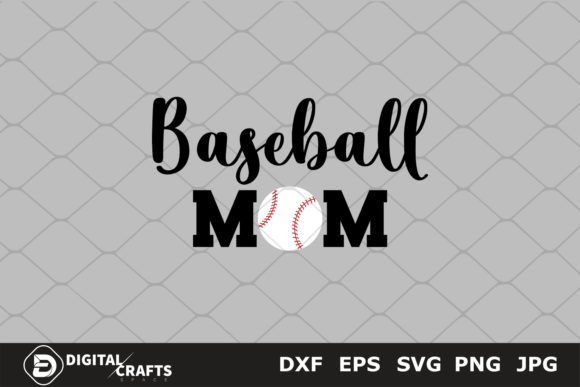
Upon opening the zip folder containing the five digital files, including the versatile SVG and EPS formats compatible with Adobe Suite, Corel Draw, and cutting machines like Cricut and Silhouette, the immediate impression is one of clean, bold nostalgia. The Baseball Mom, Baseball SVG carries a distinct visual weight that suggests confidence. It does not rely on overly intricate filigree or microscopic details that often plague lesser sports graphics. Instead, it embraces strong lines and recognizable silhouettes that are essential for successful digitizing.
From a designer's perspective, this layout feels inherently balanced. The typography interacts naturally with the graphical elements, creating a cohesive unit rather than two separate components forced together. This balance is crucial when converting vector art into an embroidery file. Designs with poor spatial relationships often require excessive manual adjustment during the digitizing phase to prevent puckering or distortion. Here, the negative space appears sufficient to allow for proper stitch registration, making it a promising candidate for both satin stitch borders and fill stitch interiors without becoming overly dense.
Real-World Application: The Custom Tote Bag Test
To truly evaluate this asset, I mentally placed it into a specific production scenario: creating a premium canvas tote bag for a local youth league fundraiser. In this context, the Baseball Mom, Baseball SVG serves as more than just decoration; it is a badge of identity. Canvas is a forgiving yet structured fabric, ideal for testing how a design holds up under tension.
In this real-life application, the design’s bold nature allows for high visibility from a distance, which is vital for team spirit gear. However, the true test lies in the stitching sequence. Because this is a vector graphic intended for multi-use, I would recommend treating this as a potential applique design foundation. Using the SVG outlines as placement guides for fabric applique can significantly reduce stitch count while adding texture and value to the finished product. Customers perceive applique as higher-end compared to flat embroidery, and this design’s shapes are perfectly suited for layered cotton or felt textures. For a tote bag design, this approach ensures durability against washing and wear, maintaining the crispness of the "Baseball Mom" lettering even after a season of muddy fields and laundry cycles.
Material Considerations and Technical Constraints
While the Baseball Mom, Baseball SVG is versatile, professional judgment dictates caution with certain substrates. Not every fabric accepts this level of graphic coverage equally. When planning your next embroidery project, consider these material-specific limitations:
- Stretchy Knits and Performance Wear: If applying this to moisture-wicking baseball tees, you must use aggressive stabilization. The design likely has areas of density that could cause tunneling on thin polyester. Always pair with a cut-away stabilizer and potentially a water-soluble topping to prevent stitches from sinking into the weave.
- Curved Surfaces Like Caps: While the theme screams baseball cap, the vertical height of the text element requires verification. Measure your specific hoop size before committing. Distortion on curved surfaces is common if the design isn't specifically arced for caps; you may need to manually adjust the baseline in your embroidery software.
- Textured Fabrics: On terry cloth towels or fleece blankets, the fine details of any script elements risk getting lost. Increase the stitch density or add an underlay foundation to create a smooth platform for the top stitches. Without this, the handmade product will look unfinished and unprofessional.
- Dark vs. Light Fabrics: Vector files do not contain color data for thread. You must visualize contrast. White thread on white canvas looks elegant but lacks readability. Ensure your thread colors provide sufficient contrast against the garment base, especially for the smaller text elements which are most vulnerable to visual blending.
Commercial Viability and Brand Consistency
For the Etsy seller or small shop owner, consistency builds trust. The Baseball Mom, Baseball SVG offers a stylistic anchor that can unify a collection. Because the included EPS and SVG files work across Adobe Illustrator and Inkscape, you can easily create matching printable mockups for your listings. Showing customers a cohesive line of sweatshirts, patches, and baby items using the same design language increases perceived brand value.
However, commercial use requires diligence. Before listing any custom apparel or personalized gift derived from this file, verify the licensing terms included in your purchase. Assuming commercial rights without confirmation is a risk no serious business should take. Furthermore, when selling finished goods, photograph the actual stitched sample rather than relying solely on digital renders. Buyers want to see how the satin stitch sheen catches the light and how the design sits on the fabric. This transparency reduces returns and establishes your reputation as a quality maker.
Essential Pre-Production Checklist
Even experienced designers encounter variables that software cannot predict. Before running a full production batch of commercial embroidery or personalizing a cherished baby embroidery item, adhere to this practical workflow:
- Digitize and Test Stitch: Never assume a vector converts perfectly. Run a test stitch-out on scrap fabric identical to your final project. Check for registration errors between outline and fill stitches.
- Evaluate Stabilizer Pairing: Document which stabilizer worked best. A tear-away might suffice for denim, but a fusible poly-mesh might be necessary for lightweight knits to prevent the "Baseball Mom" text from distorting during wear.
- Check Small Detail Legibility: Inspect the smallest letters at arm's length. If they are illegible or thread-bunched, simplify the design. In embroidery, less is often more. Reducing detail improves clarity and durability.
- Verify Hoop Compatibility: Confirm the design dimensions fit within your machine’s maximum embroidery area with adequate margin for hoop clearance. Resizing after digitizing can alter stitch density unpredictably.
- Mockup Validation: Create black and white versions of your digital previews to check tonal contrast. If the design reads well in grayscale, it will likely succeed in thread regardless of specific color choices.
Final Thoughts for Makers and Sellers
The Baseball Mom, Baseball SVG represents a solid foundation for seasonal and evergreen sports merchandise. Its strength lies in its adaptability across various crafts and graphics applications, from vinyl decals to complex multi-needle embroidery. By approaching this file with technical respect and creative foresight, you transform a simple digital download into a profitable, professional-grade asset. Remember that the value of any design assets package is ultimately determined by the skill and care applied during production. Test thoroughly, stitch confidently, and let the quality of your finished work speak to your dedication as a creator.